
6 min read | Last updated: July 2026
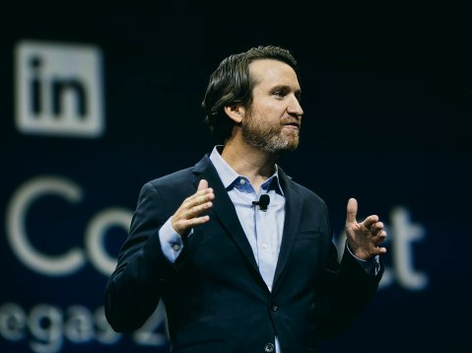
Brendan Browne, LinkedIn's former Vice President of Global Talent Acquisition, led the company's global recruitment function during a period of rapid international growth.
His experience in building high-performing teams and scaling recruitment operations has made his hiring principles widely recognised among talent acquisition professionals.
Although these recruitment principles were originally shared several years ago, many of the underlying ideas remain relevant for executive hiring today.
Browne has worked in recruiting and human resources for more than 15 years and has experience across global markets, both for large multinational corporations and Silicon Valley startups. When he joined LinkedIn in 2010, he was inspired by the leadership philosophies of co-founder Reid Hoffman and then-CEO Jeff Weiner.
In this article, we take a closer look at LinkedIn's recruitment principles, Browne's favourite interview questions, and the major hiring mistakes he has observed throughout his career. Many of these insights remain highly relevant for organisations seeking to attract, assess and hire senior executives in today's competitive talent market.
LinkedIn's Recruitment Principles

LinkedIn's former CEO Jeff Weiner has identified three qualities of people he most enjoys working with. His ideal candidate should fit into these three areas:
Dreaming big: The ability to create an ambitious vision, think beyond conventional limits and drive meaningful change within an organisation.
Getting things done: Strong leaders not only develop a compelling vision, but also know how to overcome challenges and deliver results.
Knowing how to have fun: The best candidates contribute positively to the company culture, work collaboratively with others and do not take themselves too seriously.
Browne consistently applied these principles when interviewing candidates. Their responses helped him better understand their leadership style, personal motivations and alignment with LinkedIn's culture and values.
While every organisation defines leadership differently, these principles continue to provide a useful framework for assessing executive potential and cultural fit.
What are you most passionate about?
One of the first things Brendan Browne did when interviewing a candidate was to hand them a whiteboard marker and ask them to explain the topic they were most passionate about. Regardless of the candidate's seniority level, they were asked to describe the idea behind their chosen topic and explain the process. The question was designed to create an ambiguous situation and give room for interpretation, encouraging candidates to respond spontaneously. If a job applicant was passionate about brewing beer, for example, they would be asked to draw the brewing process and explain it in detail.
By asking this question, Browne aimed to understand four things: how candidates deal with ambiguity, what they are most passionate about, how effectively they communicate complex ideas, and how they structure their thinking.
What do you want to do after you leave the company?
This question may seem surprising, as most job applicants are used to pretending that they will never leave the job they are applying for. However, Browne recognised that the days of lifelong employment at a single company are largely over. Therefore, he included this discussion in the interview process to determine whether the candidate's answer was honest and transparent.
He explained that his role as head of recruitment was to build a trusting relationship with the candidate as quickly as possible and understand what they were really aiming to achieve in their professional development, and whether these goals aligned with LinkedIn's business strategy and company culture. Browne did not expect candidates to retire at LinkedIn, but instead encouraged an open and straightforward discussion, believing there should be no surprises about career aspirations after a person had been hired.
Major recruitment mistakes according to Browne
Browne identified the most common mistakes that managers make when they are looking to hire a new employee. These mistakes do not only apply to LinkedIn but are relevant to organisations across industries.
Hiring managers set unrealistic expectations
According to Browne, the job of a recruitment leader is to help hiring managers develop a better understanding of the available talent in the market. Hiring managers are often looking for a candidate who fulfils every trait of an imaginary person, which Browne refers to as a "purple squirrel."
He shared a story from his early days at LinkedIn when he was working with a senior manager scrambling to find a high-level data centre expert in the shortest possible time. His recruitment team was so focused on finding the perfect candidate that they were meeting on a daily basis to discuss the progress of the search. Browne and his recruiters searched through a wide talent pool to find IT experts who met all the criteria defined by the hiring manager. They finally identified only seven candidates worldwide who matched the job description.
Browne realised that the search criteria were too narrow and that it would be almost impossible to fill the position. The job of a recruiter is to work closely with the hiring manager, align expectations with the realities of the talent market, and focus on the competencies that are truly critical rather than pursuing an unrealistic "perfect candidate."
Recruiters make impersonal cold calls
The second major recruitment mistake that Browne identified is that recruiters often contact candidates through cold calls or generic LinkedIn messages, trying to convince them to join their company through a standardised pitch.
LinkedIn conducted a study that examined the response rates to recruiter outreach on the platform. The findings suggested that candidates were significantly more likely to respond when a recruiting message included a personal recommendation from a mutual connection. A prospective hire is much more likely to agree to a follow-up interview if they feel that the recruiter has taken a genuine interest in their background and there is a personal connection.
Browne found that this approach led to more efficient interviews and a higher hiring success rate. As he noted in a Business Insider interview, personalised outreach remains one of the most effective ways to engage passive candidates.
Hiring Senior Executives?
Identifying outstanding executive talent requires more than interviews alone. We help international companies assess leadership potential, cultural fit and long-term success through retained executive search and leadership assessment.
→ Contact us for a confidential discussion.
Related Executive Insights
How to Get on an Executive Search Consultant’s Radar
The Hidden Benefits of Retained Executive Search
Top 5 Job-Hopping Trends in China
The Steps of the Executive Search Process
References
Browne, Brendan. Interviewed by Richard Feloni. LinkedIn's Head of Recruiting Explains Why the First Thing He Does in Every Job Interview Is Hand Over a Marker. Business Insider, January 2017. Read Source
Browne, Brendan. Interviewed by Richard Feloni. Why LinkedIn's Head of Recruiting Asks Every Job Candidate What They Want to Do After LinkedIn. Business Insider, January 2017. Read Source
Browne, Brendan. Interviewed by Richard Feloni. LinkedIn's Head of Recruiting Says There Are Two Major Hiring Mistakes He Sees All the Time. Business Insider, January 2017. Read Source
Weiner, Jeff. The Three Qualities of People I Most Enjoy Working With. LinkedIn Pulse, August 2014. Read Source
